This article is about two warrior brothers, their laurels and something about watches of IAF, the Indian Air Force.

Air Marshal Denzil Kellor, VrC, KC, AVSM, PVSM.
Air Marshal Denzil Kellor (Retd.) left for his eternal flight on 28th August 2024 aged 90. A decorated combat pilot, leader mentor, and a thorough gentleman, second of the legendary Keelor brothers of the Indian Air Force.
The Keelor brothers were born in Lucknow, United Provinces in 1933-34 to an Anglo-Indian family. Both were subsequently educated at La Martinière College, Lucknow and enlisted in the Indian Air Force in 1954.
Denzil was a year older to Trevor within the five siblings.
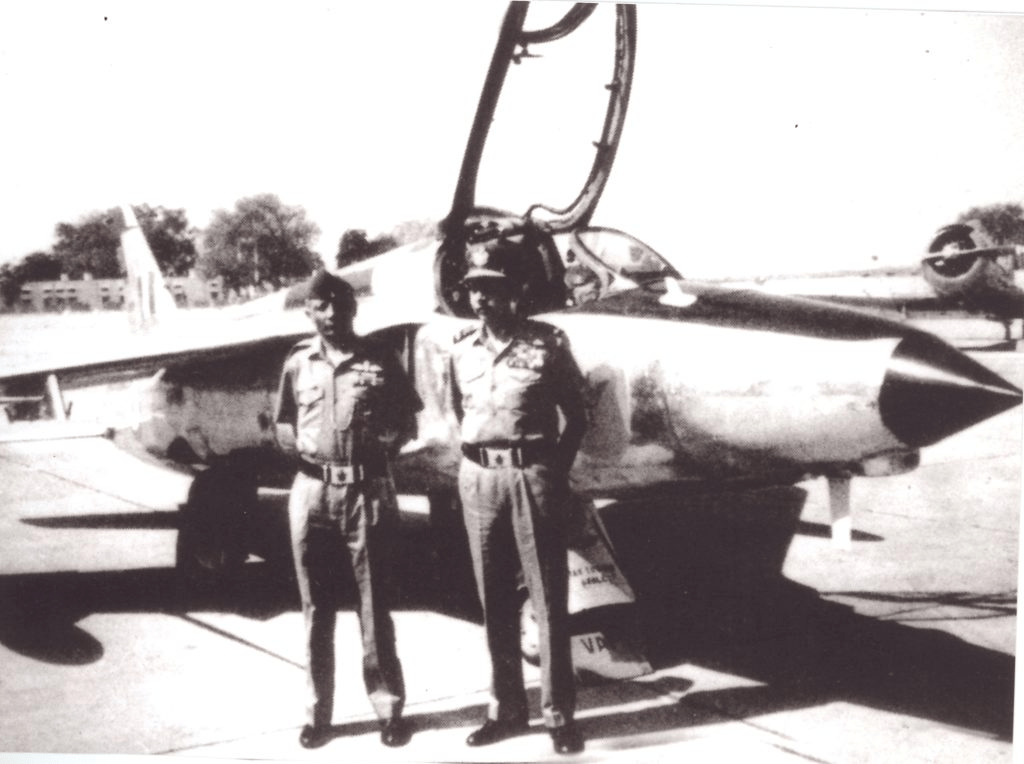
Trevor & Denzil Keelor and their beloved Gnat.
Within 9 years of service, they faced intense combat in 1965 war. During the war, then a young yet seasoned Wing Commander Keelor was forwarded to Sialkot sector, hotbed of operations – close to Lahore & Amrtisar, both major military establishments of the involved states, entrusted with the responsiblity of Indian airspace, protecting and assisting ground troops & air attacks.

IAF IE1078 – Keelor’s Gnat Mk1
During the ending days of war 04 Sabres of the PAF approached the base, Keelor with his 2nd man Kapila sucessfully engaged and shot the Sabres with their Gnats, a tale which begun with his brother Trevor shooting down a Sabre during the initial days of war marking the first successful dogfight of independent India.
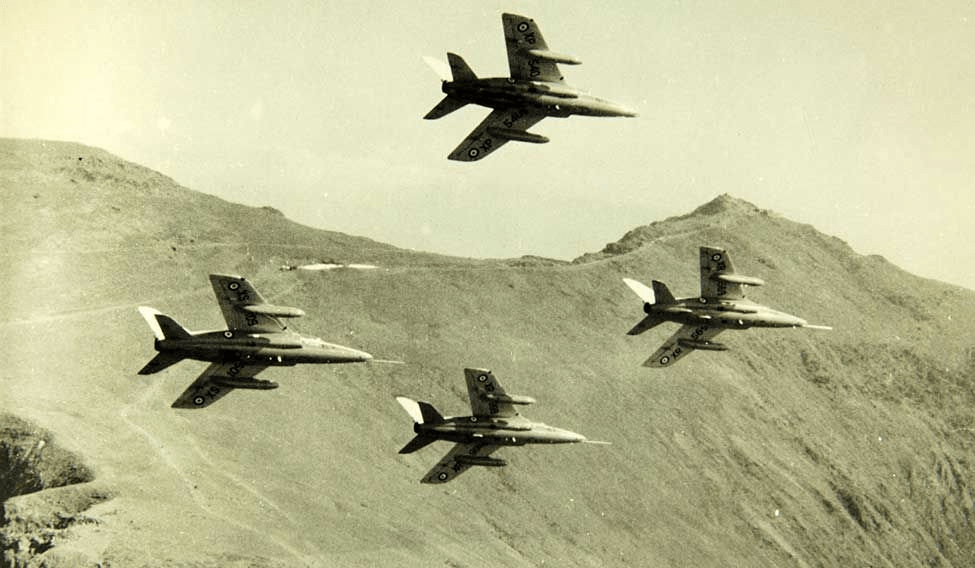
Folland Gnats in formation.
Gnats were considered much inferior and old to much advanced Sabres which the PAF had. A tale which repeated in 2019 with shooting of an PAF F-16 by an IAF MiG-21 Bison. History repeats itself until we learn from it.
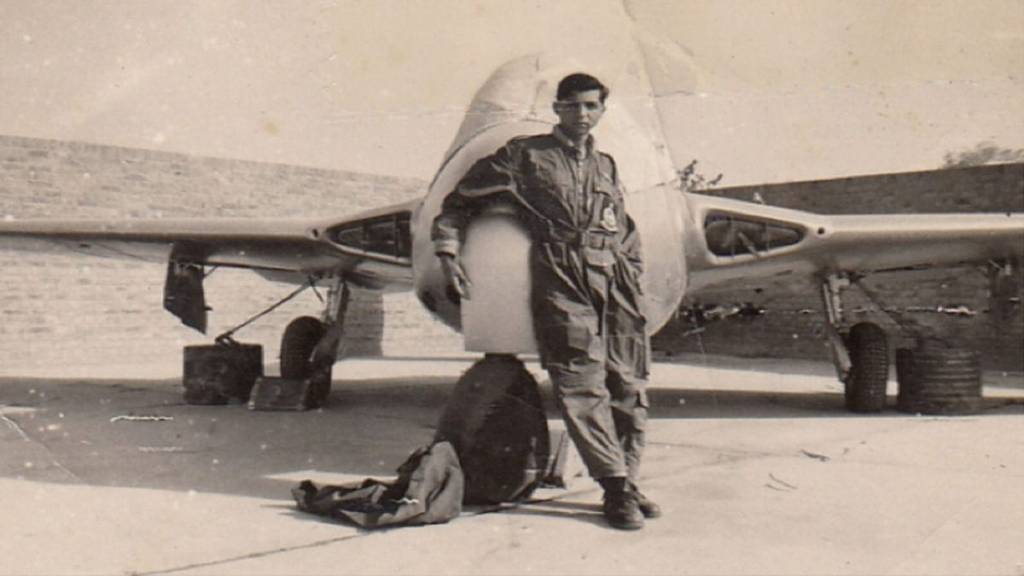
Wg Cdr Denzil Keelor with his Gnat – The Sabre Slayers.
The Keelor brothers were decorated with the Vir Chakra – Bravery Medal, third highest in gallantry service. A soft spoken & humble man, AM Keelor was very modest about his and his buddies achievements. “A lot of people had done a lot of good work (to win that war).” He said.
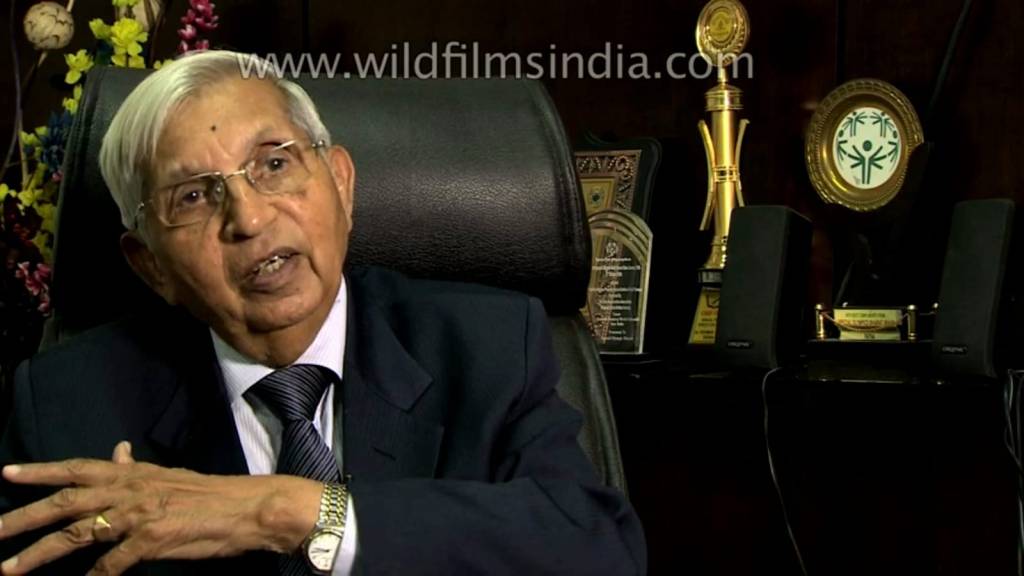
An interview from 2015, Ebel Sport Classic Two Tone.
Not much changed in the horological market of India then, this was just 20 years after independence until when the RIAF/RAF operated in the Indian subcontinent. The British may have packed their bags but their stock of watches and horological culture was left behind and it was there to stay – trade was gold, so to say.
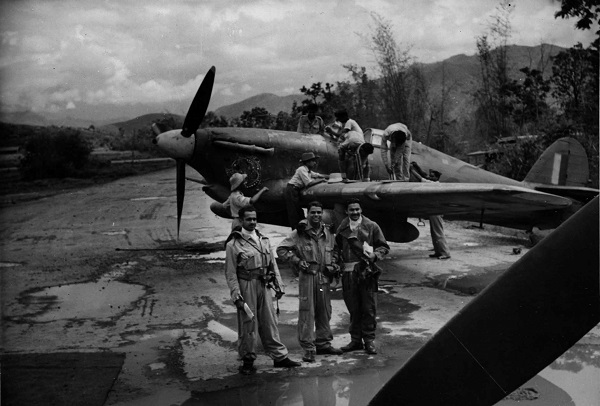
There was a said racism in the British-administered forces yet by the late 30s & 40s Indians had started joining officer ranks in the arms. Many brands made it to the British forces, the dirty dozen etc. but a lot of local or locally based brands produced watches for the native forces.
Amongst the chaos, British ordered/issued watches reached Indian shores. Brands like Rolex, Omega, Longines & Lemania including Favre Leuba & West End were a common sight & standard issue in the forces.
[Note: There was a part of the subcontinental forces which served the British section or initially, the East India Company. Another part of it was the State forces of the local Maharajas which was either leased to the British administration or joined ranks via merger pacts and common training grounds.]
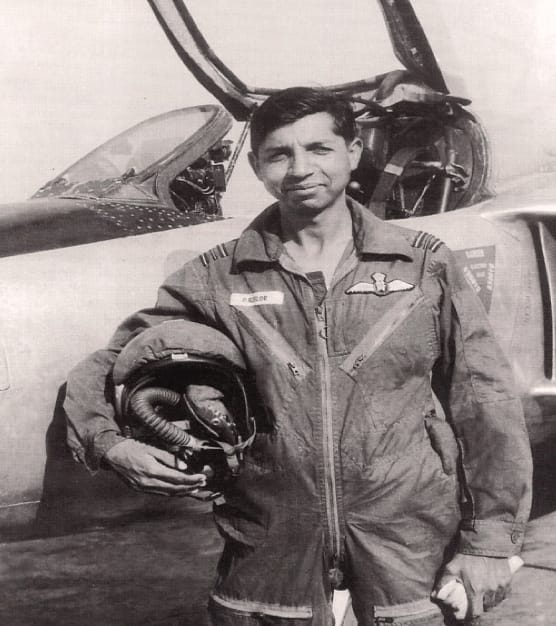
1966, Wg Cdr Denzil Keelor with his Gnat in full overalls, probably an Omega or Longines.
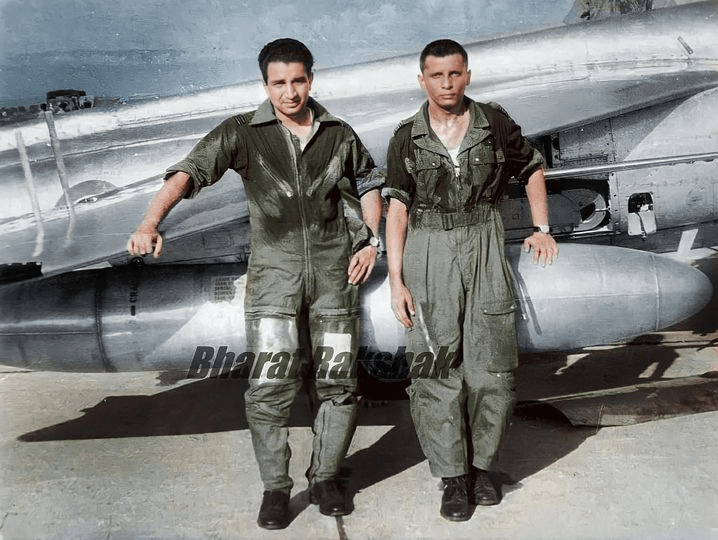
Squadron Ldr. Trevor Keelor (R) and Flight Lt. VS Pathania (L), the first ‘Sabre Slayers’ of the Indian Air Force, pictured with their Folland Gnat after an operational sortie during the Indo-Pakistan War of 1965.
The watch culture was very much alive till 1970s, seen in the picture above on the gallants – what could be either an Omega or Longines, since Indian subcontinent received the leftover part of share, but the native market was very strong as you will continue to read in upcoming journals.
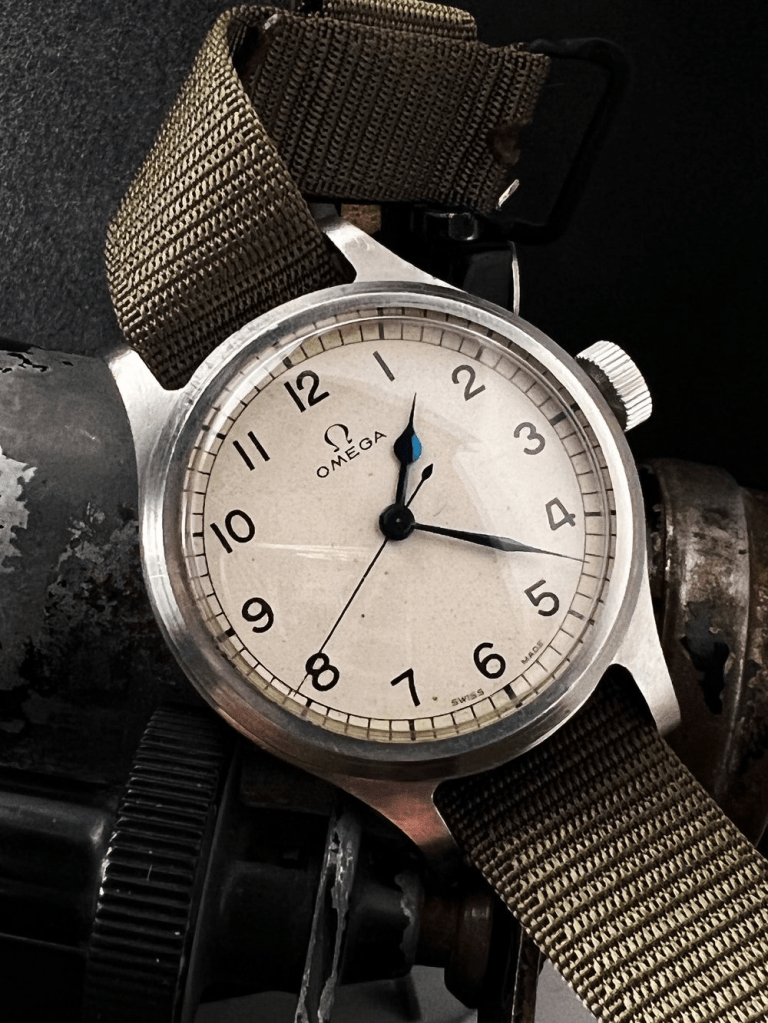
1956 issued RAF Omega 6B/159. Image: Cool Vintage Watches.

1943 issued RAF Longines 6B/159. Image: Finest Hour UK

Rare Jaeger LeCoultre RAF 6B/159 circa 1956. Image: The Watch Salon.
“Immediately following WWII, Britain was victorious but broke. The rapid demobilisation of British forces meant that there was a lot of war surplus, and this included watches. Adverts appeared in newspapers offering surplus high-grade military watches for sale at prices that would make todays collectors weep tears of joy.”
“The oversupply of military watches, in relation to the reduced numbers of troops that needed them, declining military spending, and the high quality and durable nature of the watches remaining from WWII, appears to have led to something of a lull in procurement. One of the lexceptions to this however are the spectacular RAF Jaeger LeCoultres, and IWC Mark 11 watches. Many watches from WWII remained in regular military use up to and beyond the 1970s..” Anordian – 100 years of British military watches Part-2.
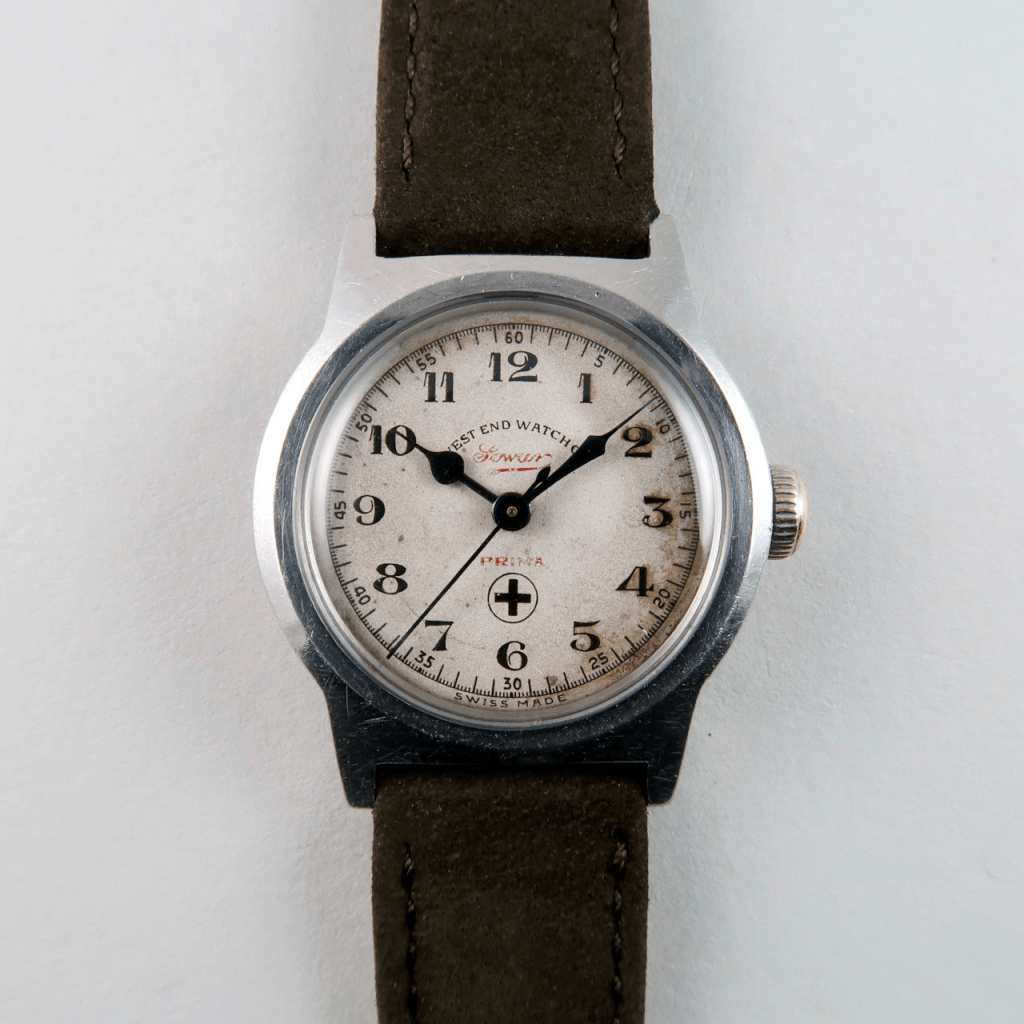
West End Watch Co. Sowar Prima Centre Sweep Seconds Circa 1940’s.
A favourite, oversupplied, reliable watches issued to Indian forces since time immemorable, These watches were name brand amongst subcontinental forces & readily available in the CSD Unit Run Canteen. WEWC also manufactured in collaboration with Longines and similar watches were issued to Civil Services India marked C.S. (I). These watches saw a lot of action post 1960’s in either arms.
“Back then there used to be a lot of Omegas, Longines in the canteen store. West End was a local name brand, affordable, reliable & available. It slowly diminished by the end of 1970s as the stock kept on finishing and we decided to put our funds elsewhere being a developing nation” recounts a gentleman.
Also Read: JLC Reverso for Maharaja of Jaipur – The Sawaiman Guards of Jaipur State Forces.
 Caseback Chronicles
Leave a comment